Langkawi Travel Guide: Essential Tips, Top Attractions & Itinerary
Langkawi is a tropical island off the northwest coast of Malaysia, known for its beaches, rainforests, and duty-free shopping. I put together this guide to help you plan your trip, whether you're interested in adventure, relaxation, or cultural experiences.
This guide covers key details, including the best time to visit, how to get around, top attractions, local food, and where to stay based on your budget. It also includes practical tips on transportation, must-visit spots like the SkyBridge and cable car, and ways to experience local culture through night markets and traditional cuisine. Whether you have three days or a full week, this guide will help you plan your stay.
Langkawi offers year-round travel with the best weather from December to March, though visiting during the shoulder season brings fewer crowds and lower prices
The island is easy to reach by plane or ferry, and getting around requires either renting a car or scooter for the most flexibility
Top experiences include the cable car and SkyBridge, island hopping tours, mangrove exploration, beach relaxation, and sampling local Malay dishes at night markets
Essential Langkawi Travel Information
Langkawi sits in the Andaman Sea as an archipelago of 99 islands with distinct geological features and a predominantly Malay population that shapes the island's relaxed character.
1. Overview of Langkawi
Langkawi is an archipelago made up of 99 islands located off the northwest coast of Peninsular Malaysia. The main island shares the same name and serves as the primary destination for visitors.
The island earned UNESCO Global Geopark status due to its unique rock formations and geological significance. In 1987, the Malaysian government declared Langkawi a duty-free zone, transforming it from a quiet fishing community into one of Malaysia's top island destinations.
The population sits around 100,000 people, mostly ethnic Malays with smaller Chinese, Indian, and Thai communities. Unlike the party atmosphere of Phuket or Bali, Langkawi maintains a calmer pace that appeals to families and travelers seeking relaxation over nightlife.
2. Geography and Landscape
The island landscape combines sandy beaches, limestone cliffs, rice paddies, and forested hills. Gunung Mat Cincang stands as one of the tallest peaks, accessible by the Langkawi SkyCab cable car system.
Mangrove forests in Kilim create important ecosystems where I can explore by boat or kayak. The coastline features distinct beaches, from the popular white sands of Pantai Cenang to the unique black volcanic sand at Pantai Pasir Hitam.
Langkawi wildlife includes monitor lizards, macaque monkeys, hornbills, and eagles. The Brahminy kite eagle appears on the island's symbol at Dataran Lang. Marine life thrives in the surrounding Andaman Sea, making the waters suitable for snorkeling and diving around the smaller islands.
3. Local Culture and Language
Malay serves as the primary language on the island, but English is widely used in tourist areas, hotels, and restaurants. I find communication straightforward when traveling through popular zones.
Islam is the dominant religion, which means I dress modestly when visiting villages or local markets away from beach areas. Most restaurants serve halal food, though international dining options exist in tourist zones.
The legend of Mahsuri remains central to local culture. According to the story, she was wrongly accused of adultery and cursed the island for seven generations before her death. Many locals believed this curse caused poverty until the 1980s development boom began.
When to Visit Langkawi
Langkawi's tropical climate means you can visit year-round, but timing affects everything from weather conditions to crowd levels and prices. The island experiences distinct dry and wet seasons, with peak tourist traffic between December and February when conditions are ideal for beach activities and outdoor exploration.
1. Best Time to Visit Langkawi
I recommend visiting Langkawi between December and March for the most reliable weather. This period offers clear skies, calm seas, and minimal rainfall, making it perfect for island hopping, beach days, and outdoor activities like hiking or visiting the cable car.
February stands out as particularly attractive because the weather stays excellent while crowds thin slightly compared to December and January. You'll still enjoy postcard-perfect conditions without the peak season pressure.
If you want to avoid crowds and don't mind occasional rain, April to early May and late October through November work well. These shoulder months offer lower prices and fewer tourists while maintaining mostly decent weather. The rain during these periods typically comes in short bursts rather than all-day downpours.
I'd skip September if possible. It's the wettest month with heavy rainfall that can disrupt outdoor plans and cause flooding in some areas.
2. Weather and Seasonal Highlights
Langkawi maintains a tropical rainforest climate with temperatures between 30-34°C during the day and 25-27°C at night throughout the year. Humidity stays consistently high regardless of season.
The dry season runs from December through March. You'll experience minimal rainfall, calmer seas for boat trips, and clearer skies for photography. Mornings feel crisp and comfortable before the midday heat sets in.
The wet season spans from May through October, peaking in September. Rain usually arrives as intense afternoon thunderstorms rather than continuous drizzle. July through September sees the heaviest and most frequent rainfall, which can cancel boat tours and outdoor activities.
March and April mark the transition period. You'll notice increasing humidity and occasional showers, but conditions remain generally pleasant for most activities.
3. Peak and Off-Peak Travel Periods
Peak season hits during December through February, plus major Malaysian school holidays. During these periods, I've noticed hotels book up months in advance and prices double or triple for accommodations and tours.
Major school holiday periods to watch:
Mid-Year Break: Late May to early June
Year-End Break: Late November through early January
Mid-Term Breaks: March and August
Tourist numbers drop significantly from July through September, creating the ultimate off-peak window. You'll find excellent hotel deals and empty beaches, but you're trading sunshine for frequent rain. Some tour operators reduce schedules or close entirely during the wettest months.
April, May, and October through early November offer the best balance. I consider these the smart traveler's sweet spot, with decent weather, manageable crowds, and reasonable prices before peak-season pricing kicks in.
Getting to Langkawi
Langkawi sits on an island, so you'll need to either fly or take a ferry to reach it. Flying is the fastest option, while ferries offer a cheaper alternative from several mainland ports.
1. How to Get to Langkawi by Air
Flying is the easiest way I recommend for getting to Langkawi. The island has its own airport with direct flights from Kuala Lumpur, Penang, Singapore, and Johor Bahru.
Major airlines serving Langkawi:
AirAsia
Malaysian Airlines
Batik Air
Scoot (from Singapore)
Flights from Kuala Lumpur take about an hour and can cost as low as RM100, sometimes even RM30 during sales. If you're traveling from overseas cities like Seoul, Taipei, or Sydney, you can take connecting flights through Kuala Lumpur.
I suggest booking flights in advance, especially on weekends and during peak season, when prices go up. The airport is well-connected to hotels across the island by taxi and Grab.
2. Arriving by Ferry
Ferries to Langkawi arrive at Kuah Jetty, the main ferry terminal in the island's largest town. I find this option works well if you're already in mainland Malaysia and want to save money.
Ferry departure points:
Departure Port
Travel Time
Adult Fare (Malaysian)
Adult Fare (Foreigner)
Kuala Perlis
1 hour 20 minutes
RM24
RM30
Kuala Kedah
1 hour 45 minutes
RM29.50
RM37.50
Ferries run 3-5 times daily from each port, with departures typically between 7am and 7pm. I recommend booking ferry tickets in advance as they sell out during holidays and weekends. The ticket window at the jetty often only opens an hour before departure.
3. Transport from Mainland Malaysia and Thailand
Getting to the ferry terminals from mainland Malaysia involves a bus, train, or taxi. I've found that buses to Alor Setar (near Kuala Kedah) run frequently from Kuala Lumpur and take about 6.25 hours.
From Alor Setar, the Kuala Kedah ferry terminal is a 20-minute Grab taxi ride for around RM14. Buses also go directly to Kuala Perlis, where the ferry terminal is just a five-minute walk from the bus station.
For travelers coming from Thailand, ferries operate from Koh Lipe between mid-October and mid-June. These ferries take 1.5 hours and cost around RM165 one way. They stop running during the monsoon season from June to October.
If you have a car, roll-on-roll-off ferries depart from Kuala Perlis once or twice daily. Fares start at RM322 for small vehicles plus RM50 per adult passenger.
Where to Stay in Langkawi
Langkawi offers accommodation options across different areas, each with its own character. The main beachfront zones of Pantai Cenang and Pantai Tengah provide easy beach access, while Kuah serves as the island's commercial hub with practical amenities and Datai Bay delivers secluded luxury.
1. Pantai Cenang: Lively Beachfront
Pantai Cenang stretches for 2 kilometers along Langkawi's western coast. This is where to stay in Langkawi for first-timers because it concentrates the most tourist infrastructure in one area.
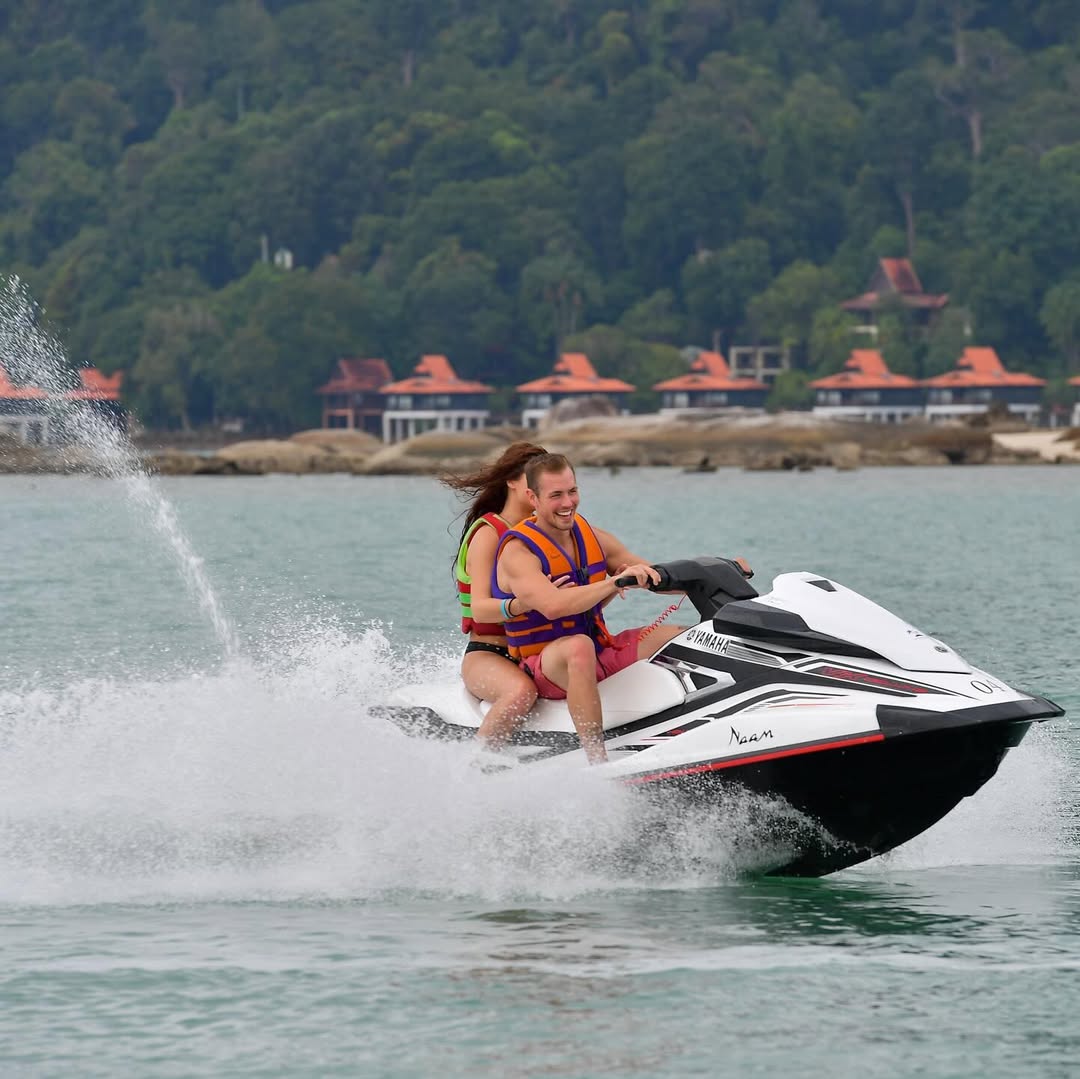
The beach itself has white sand and clear water. You'll find jet skiing, parasailing, and other water sports available along the shore.
Dining and nightlife center around Pantai Cenang. Restaurants line the main road parallel to the beach. Bars with live music operate most evenings, with Thirstday being a popular beachfront option that features live performances six days weekly.
The Underwater World Langkawi aquarium sits in this area. It houses over 200 marine species and includes an underwater tunnel. The Temoyong Night Market operates on Thursdays for local street food.
Accommodation ranges from budget guesthouses to mid-range hotels and beachfront resorts. Properties sit close together along the beach strip. Peak season runs December through March, so I recommend booking well ahead during these months.
2. Pantai Tengah: Peaceful Retreat
Pantai Tengah connects directly to Pantai Cenang's southern end but maintains a quieter atmosphere. The 500-meter beach has fewer crowds while keeping restaurants and bars within walking distance.
This area works well for families and budget travelers. Accommodation prices in Pantai Tengah typically run lower than Pantai Cenang while maintaining good service standards.
Activities focus on relaxation rather than nightlife. Island-hopping tours depart from nearby jetties. Snorkeling and kayaking equipment is available for rent. Several spas operate in the area.
The PARKROYAL Langkawi Resort and Ambong Pool Villas provide upscale options. Mid-range properties include Hotel Aloft Langkawi Pantai Tengah, located 200 meters from the beach. Budget choices like Bed Attitude Hostel offer shared facilities steps from the water.
3. Kuah: Town Experience
Kuah serves as Langkawi's capital and main port town. This area doesn't have beaches but provides practical advantages for certain travelers.
Duty-free shopping concentrates in Kuah. Electronics, alcohol, and chocolate sell at tax-free prices in numerous outlets and shopping complexes. The 12-meter Eagle Statue marks the waterfront area and serves as the island's symbol.
The 138-meter MAHA tower offers panoramic island views. Ferry connections to mainland Malaysia and Thailand depart from Kuah's jetty. Night markets operate on Wednesdays and Saturdays at Pusur Bandar Kuah.
I find Kuah convenient for travelers focused on shopping or those arriving late by ferry. Hotels here cost less than beachfront properties. The St. Regis Langkawi and The Westin Langkawi Resort & Spa provide luxury options, while budget properties like Motodorm Langkawi offer dormitory beds with free bicycle rentals.
4. Luxury Locations: Datai Bay and Beyond
Datai Bay sits on Langkawi's northwest coast, surrounded by ancient rainforest. The Datai Langkawi Resort anchors this exclusive area. This property offers direct rainforest and beach access with premium facilities.
Privacy defines these luxury zones.Tanjung Rhu beach features crystal-clear water and fine sand, reached through jungle paths. The area stays cooler than other parts of the island due to forest coverage. Four Seasons Resort Langkawi operates here with its own stretch of beach.
Pantai Kok area includes the Datai Bay region and sits near the Langkawi Cable Car and Oriental Village. Luxury resorts in Pantai Kok provide mountain and sea views with private pools and spa services.
These areas suit couples, honeymooners, and travelers prioritizing seclusion over convenience. Properties typically include multiple restaurants, water sports equipment, and organized excursions. Prices start around $150 per night and climb significantly higher for villas and suites. I recommend having a rental car if you stay in these remote locations since taxis can be expensive for multiple daily trips.
Top Langkawi Attractions
The island offers stunning natural landmarks and family-friendly activities that showcase its tropical beauty. From suspension bridges high above the rainforest to underground aquariums, these attractions provide diverse experiences for every type of traveler.
1. Langkawi Sky Bridge and SkyCab
The Langkawi Sky Bridge ranks as one of the island's most impressive attractions. This curved suspension bridge stretches 410 feet across two mountain peaks at nearly 2,000 feet above sea level.
To reach the bridge, I take the Langkawi SkyCab, which is the world's steepest cable car. The cable car journey includes stops at a middle station and a top station on Gunung Mat Cincang (also called Machinchang Mountain). At 708 meters above sea level, the views extend across the Andaman Sea and even reach southern Thailand on clear days.
The Langkawi cable car costs RM85 per adult and RM65 per child for foreigners. Access to the Langkawi SkyBridge requires an additional fee of RM1-2 when purchased in advance.
Once at the top station, I can either walk 10 minutes through the jungle to reach the bridge or take the SkyGlide, an inclined elevator that runs along the mountainside. The SkyGlide works well for those with mobility concerns or tired children.
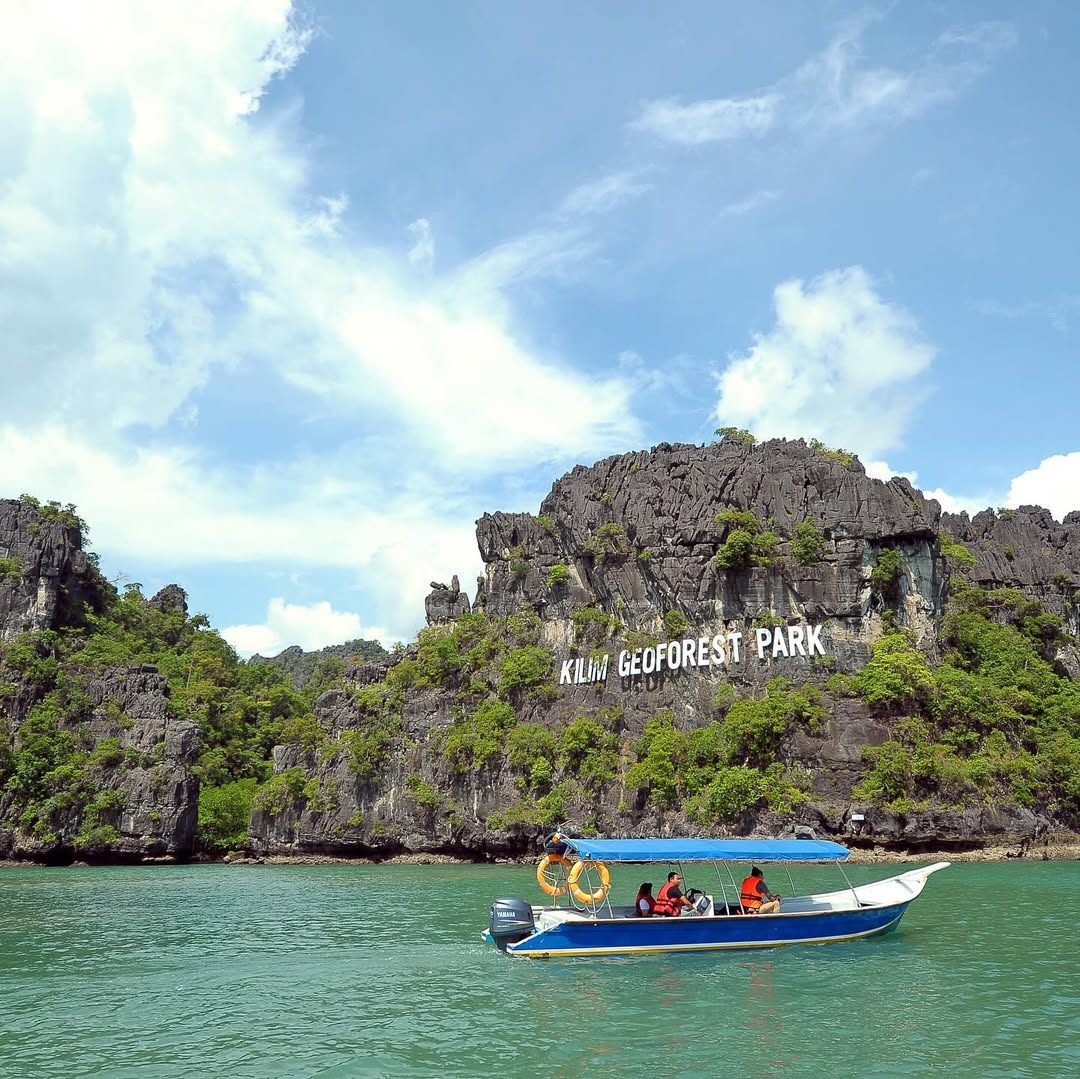
Kilim Geoforest Park covers 247 square miles of mangrove forests, limestone formations, and wildlife habitats. The park is a UNESCO-recognized site that protects ancient geological formations dating back 500 million years.
I explore this area by joining a boat tour or kayak excursion through the winding waterways. The tours typically include stops at bat caves, fish farms, and eagle feeding spots. Guides point out limestone karsts, hidden lagoons, and rock formations shaped by erosion.
Wildlife sightings include monitor lizards, macaque monkeys, kingfishers, and white-bellied sea eagles. The mangrove ecosystem supports diverse marine life visible from the water.
Morning tours offer the best lighting for photography and cooler temperatures. Most Langkawi attractions in the geoforest include hotel pickup and last about three to four hours.
3. Seven Wells Waterfall (Telaga Tujuh)
Telaga Tujuh, known as Seven Wells Waterfall, cascades 91 meters down the slopes of Machinchang Mountain. The waterfall gets its name from seven natural pools formed at different levels by the flowing water.
I have two hiking options here. The lower trail takes about 10 minutes from the parking area and leads to pools where I can swim. This path climbs steeply but ends quickly at shaded pavilions and restrooms.
The upper trail requires more effort with 638 steps leading to the top of the falls. This hike takes roughly an hour and rewards me with panoramic views and additional swimming pools. The water stays cool year-round, perfect for refreshing after the climb.
The falls look most dramatic after heavy rain, though I need to watch for slippery rocks. During dry months, the flow decreases but remains scenic. Wildlife along the trails includes macaque monkeys, giant squirrels, and hornbills. Parking costs RM2, and food stalls operate near the entrance.
4. Underwater World Langkawi
Underwater World Langkawi houses over 4,000 marine and freshwater species in one of Southeast Asia's largest aquariums. The facility focuses on education about aquatic ecosystems and conservation.
The main attraction is a 50-foot underwater tunnel where sharks, rays, and giant groupers swim overhead. Separate sections display penguins, seals, freshwater fish, and tropical marine species in themed tanks.
I visit the touch pools to interact with horseshoe crabs and sea cucumbers under staff supervision. Feeding times for penguins and seals happen at scheduled intervals throughout the day.
The aquarium stays open daily and provides air-conditioned relief from the tropical heat. It's located near Pantai Cenang, making it easy to combine with beach activities. This attraction works particularly well for families with young children or rainy day plans.
Beaches in Langkawi
Langkawi's coastline features white sand beaches ranging from busy tourist hubs with water sports to secluded stretches perfect for relaxation. The island's west coast beaches offer the best sunset views, while the northern shores provide calmer waters and dramatic island scenery.
1. Pantai Cenang Beach
Pantai Cenang Beach is the most popular beach on the island and serves as the main tourist area. I find this west-facing beach perfect for sunset views and offers soft golden sand stretching for about two kilometers.
The beach has plenty of water sports available. You can try parasailing, jet skiing, and paddle boarding during calm weather. During the rainy season, when winds pick up, this becomes a popular surfing spot.
Along the beachfront, you'll find restaurants, cafes, convenience stores, and duty-free shops. The area has accommodation options ranging from budget guesthouses to luxury resorts. I recommend staying here if you want easy access to nightlife and dining options.
The beach gets crowded during peak season. If you prefer quieter spots, visit early morning or head to the southern end where fewer tourists gather.
2. Tanjung Rhu Beach
Tanjung Rhu Beach sits on the northeast corner of Langkawi and ranks among the most beautiful beaches on the island. The turquoise water and small offshore islands create scenery similar to Thai marine parks.
Trees line the beach providing natural shade throughout the day. The calm bay makes it safer for swimming compared to west coast beaches. You can rent kayaks to paddle out to Pulau Kelam Baya, a rocky island just offshore.
The Langkawi Mangroves sit right next to this beach. I can arrange boat tours directly from the Mangrove Jetty located beside Tanjung Rhu Beach, which costs less than booking through town operators. Water sports like jet skiing and paddle boarding are available at reasonable prices.
This beach has fewer facilities than Pantai Cenang. Bring your own food and drinks if you plan to spend the whole day here.
3. Pantai Kok and Other Hidden Gems
Pantai Kok sits on the western coast and offers access to rainforest attractions while maintaining a quieter atmosphere. The beach connects to the famous SkyCab cable car station and Oriental Village shopping area.
Sandy Skulls Beach in the northwest corner remains one of Langkawi's best hidden beaches. This clean white sand beach has parking, public toilets, and tree shade. The views of Koh Tarutao island in Thailand make it worth the drive. Nearby Temurun Falls provides a freshwater swimming option.
Pantai Tengah lies just south of Pantai Cenang and attracts fewer crowds. This smaller beach works well for a quiet sunset experience and has surf shacks during windy periods.
Safety Note: During monsoon season, strong waves and currents make swimming dangerous at most beaches. Jellyfish exist in these waters year-round. Always check weather conditions before entering the water.
Best Things to Do in Langkawi
Langkawi blends natural beauty with adventure across its 99 islands. From exploring hidden caves and mangrove forests to diving with marine life and visiting ancient rice paddies, the island offers activities for every type of traveler.
Pulau Dayang Bunting is home to the Lake of the Pregnant Maiden, a freshwater lake enclosed by limestone hills. The lake gets its name from the shape of the surrounding hills when viewed from a distance. I recommend swimming in the calm waters or renting a kayak to explore the lake.
Pulau Beras Basah offers white sand beaches perfect for swimming and relaxing. The island provides basic facilities and a quiet atmosphere away from the main island's crowds.
Pulau Payar Marine Park sits south of Langkawi and features clear waters ideal for snorkeling. I've seen blacktip reef sharks, colorful coral formations, and tropical fish during visits here. The marine park requires a separate booking since it's farther from the main island hopping route.
Most Langkawi tours depart from Pantai Cenang or Kuah jetty and cost between RM50-RM120 per person.
2. Wildlife Encounters and Nature Activities
The Kilim Karst Geoforest Park offers mangrove tours by boat or kayak. I've spotted eagles, monitor lizards, and macaque monkeys along the waterways. The limestone formations create dramatic backdrops for photos.
Jungle trekking leads to waterfalls and scenic viewpoints during morning hikes. Night walks reveal flying lemurs, giant geckos, and bioluminescent fungi that glow in the dark. Local guides help identify wildlife and navigate trails safely.
Laman Padi showcases traditional rice farming through walking paths and cultural exhibits. The gardens feature different rice varieties, buffalo, and demonstrations of harvesting techniques. I find it offers a peaceful break from beach activities while learning about Malay agricultural heritage.
Underwater World Langkawi houses over 4,000 marine species in one of Southeast Asia's largest aquariums. The walk-through tunnel provides close views of sharks, rays, and sea turtles.
3. Cultural and Historical Sites
Mahsuri's tomb tells the legend of a woman wrongly accused of adultery who cursed Langkawi for seven generations. The site includes her tomb, a traditional Malay house, and a small museum explaining the story's historical context.
Tapak Beras Terbakar, or the Field of Burnt Rice, displays blackened rice grains preserved under glass. According to legend, a Thai invasion led villagers to burn their rice stores rather than surrender them to enemies.
Dataran Lang features a 12-meter eagle statue overlooking the sea at Kuah jetty. The eagle represents Langkawi's name, which comes from the Malay words for eagle and reddish-brown.
Galeria Perdana displays over 2,500 gifts received by Malaysia's fourth Prime Minister during his tenure. The collection includes items from world leaders, crystal pieces, and traditional crafts from various countries.
4. Water Sports and Adventure
Jetski tours circle the islands at high speed, stopping at beaches and limestone caves. Rentals typically cost RM150-RM250 per hour depending on the model.
Parasailing launches from Pantai Cenang beach and provides aerial views of the coastline. Rides last 10-15 minutes and reach heights of 50-80 meters above the water.
Tanjung Rhu Beach offers calm, shallow waters perfect for kayaking. I prefer this location over busier beaches for its clear water and peaceful atmosphere.
ATV rides through rubber plantations and rural villages appeal to those wanting off-road adventure. Tours last 1-2 hours and include safety equipment and instruction.
Skytrex Langkawi features ziplines and obstacle courses through the rainforest canopy. The adventure park offers different difficulty levels suitable for families with children.
Langkawi's after-dark scene revolves around its rotating night markets, where authentic Malaysian street food takes center stage alongside local crafts and produce. The island also offers beachfront bars and restaurants for those seeking a more relaxed evening atmosphere.
The Kuah Night Market runs on Wednesday and Saturday in the main town area. It's the largest and most accessible option for visitors staying near the ferry terminal.
Temoyong Night Market opens on Thursday and is known for its wide selection of food vendors and handicraft stalls. The Ulu Melaka Market takes place every Monday, while Kedawang Night Market operates on Tuesday.
Friday brings two options: Ayer Hangat Night Market and Bayas Market, both offering similar fare. Padang Matsirat Night Market wraps up the week on Sunday near the airport area.
Most markets open around 5-6 PM and run until 10 PM. I recommend arriving early for the freshest food and smaller crowds. Bring cash since most vendors don't accept cards.
2. Local Dishes to Try
Nasi Kandar is a must-try dish featuring steamed rice with your choice of curries and crispy fried chicken. I found the versions at night markets come generously drenched in spicy, flavorful sauces.
Chicken Satay costs as little as 0.70 RM per stick at some markets. These grilled skewers come with peanut sauce and offer authentic smoky flavors straight from the charcoal grill.
Laksa Ikan Sekoq is a local specialty you won't find everywhere. This spicy noodle soup uses fresh island fish and tangy tamarind broth.
For dessert, try Apam Balik, a folded pancake filled with corn, sugar, and cheese. Pisang Goreng (banana fritters) are another popular choice, crispy outside and soft inside.
I spent around 47.5 RM for two people across multiple markets, making this an incredibly budget-friendly way to eat.
Beach bars along Pantai Cenang provide oceanfront dining and drinks. These venues typically stay open later than markets and cater to visitors wanting a cocktail with their meal.
Resort areas like Datai offer quieter nightlife focused on beachside dining where the Andaman Sea provides natural ambiance. I found these spots better suited for relaxed evenings rather than party scenes.
The island's nightlife remains relatively low-key compared to other Southeast Asian destinations. Most activity centers on food, casual drinks, and beach settings rather than clubs or late-night venues.
Planning Your Langkawi Itinerary
I recommend planning at least three to five days to experience Langkawi's beaches, rainforests, and cultural attractions. The island offers activities ranging from relaxing beach visits to adventurous waterfall hikes, and most attractions are spread across different parts of the island.
1. 3 Day Langkawi Itinerary
I suggest dedicating your first day to exploring Cenang Beach and the cable car experience. Start at the Skycab cable car, which takes you up Mount Mat Cincang for panoramic island views. The ticket includes access to the Skybridge suspended over the rainforest canopy.
On day two, I recommend an island hopping tour through Perdana Marine Park. These tours typically visit several small islands and include snorkeling opportunities. You can book shared tours starting around RM90 per person or private tours from RM200.
Day three works well for visiting Tanjung Rhu beach on the northern coast. This quieter beach offers swimming and kayak rentals. In the afternoon, I'd visit the nearby Kilim Geoforest Park for a mangrove tour where you can spot eagles, monkeys, and crocodiles in their natural habitat.
2. Suggested Day Trips
I recommend visiting Temurun Waterfall, especially during the rainy season when water flow is strongest. The waterfall requires a short walk through the jungle and offers natural pools for swimming.
A trip to Kuah town gives you access to local markets and duty-free shopping. The eagle statue at Eagle Square makes for good photos, and the waterfront has several restaurants serving Malaysian food.
For families, the Splashout Waterpark provides water slides and pools. Adult tickets cost RM75, and children aged 90cm to 12 years pay RM55.
3. Tours and Excursions
Mangrove tours departing from Tanjung Rhu explore the Kilim Geoforest Park. These typically last three to four hours and include stops at bat caves and crocodile caves. I find the best prices by purchasing tickets directly at the jetty rather than pre-booking.
Sunset cruises operate from various beaches around the island. These tours usually include dinner and last about three hours.
Sea kayaking tours let you explore coastal areas at your own pace. Rentals are available at Tanjung Rhu and other beaches, with guided tours offering more structured experiences through mangrove channels.
Travel Tips and Practical Information
Langkawi offers straightforward travel logistics with multiple transportation options, a welcoming atmosphere for visitors, and accessible services across the island. Cash remains important for smaller vendors, English is widely spoken in tourist areas, and the island maintains a safe environment with standard precautions.
1. Getting Around Langkawi
I recommend renting a car or motorcycle to explore Langkawi at your own pace. The island has well-maintained roads and clear signage, making self-driving the most flexible option.
Car rentals start around RM80-150 per day depending on the vehicle type. Motorcycle rentals cost about RM30-50 daily and work well for solo travelers or couples.
Grab is the primary ride-hailing service on the island. It operates reliably in main areas like Pantai Cenang and Kuah Town, though availability drops in remote locations.
Transportation Options:
Rental Car - Best for families and exploring multiple sites daily
Motorcycle - Ideal for budget travelers comfortable with two wheels
Grab - Convenient for short trips without parking concerns
Taxi - Available but more expensive than Grab
Public transportation is limited on Langkawi. Local buses exist but run infrequently and don't cover many tourist attractions efficiently.
2. Safety and Local Customs
Langkawi ranks as a safe destination with low crime rates. I suggest taking standard precautions like securing valuables and avoiding isolated beaches after dark.
Bahasa Malaysia is the main language, but English is widely understood in hotels, restaurants, and tourist attractions. Smaller food stalls and rural areas may require basic Bahasa phrases or translation apps.
Langkawi has a predominantly Muslim population. I dress modestly when visiting religious sites or local villages, covering shoulders and knees. Beach areas allow typical swimwear, but cover up when leaving the beach.
Simple courtesies matter here. Greetings like "Selamat pagi" (good morning) or "Terima kasih" (thank you) create positive interactions.
Tipping is not expected but appreciated. Rounding up taxi fares or leaving RM5 for exceptional restaurant service shows gratitude without being mandatory.
3. Travel Essentials
Cash and Payments: Many small vendors, markets, and beach stalls only accept cash. I carry RM10 and RM20 notes for these situations. Hotels, malls, and larger restaurants take credit cards. Touch 'n Go eWallet gains acceptance but isn't universal yet.
ATMs are plentiful in Pantai Cenang, Kuah Town, and shopping centers. International cards work at most machines with standard withdrawal fees.
Weather Preparation: Langkawi stays hot and humid year-round. I pack lightweight, breathable clothing, sunscreen, and insect repellent. The monsoon season runs November through February, bringing occasional heavy rain.
Useful Apps:
Google Translate for basic communication
Grab for transportation and food delivery
Google Maps for navigation
Pharmacies like Guardian and Watsons stock basic medications. I bring my own preferred brands since some labels appear only in Bahasa Malaysia.