Pantai Cenang Travel Guide: Top Attractions, Activities & Tips
Pantai Cenang is located on the western coast of Langkawi, Malaysia, and is known for its 2-kilometer stretch of white-sand beach. The area combines beach activities, water sports, dining, and shopping within walking distance. I put together this guide to help you plan your visit.
Pantai Cenang is about 10 to 15 minutes from Langkawi International Airport, making it one of the most accessible beaches on the island. It offers clear waters for swimming, a range of accommodations from budget to luxury, and activities suitable for both families and solo travelers. During the day, you can try jet skiing or parasailing, while evenings feature sunset views and beach bars with live music.
In this guide, I cover key details about visiting Pantai Cenang, including where to go along the beach, where to find local food and night markets, transportation options, and attractions like Underwater World. I also include practical tips to help you avoid common tourist mistakes.
Key Takeaways
Pantai Cenang offers a two-kilometer beach with water sports, shopping at Cenang Mall, and attractions like Underwater World within a compact area
You can reach the beach by taxi, Grab, car, or on foot from most hotels in the area, with parking available along Jalan Pantai Cenang
The best time to visit is during off-peak seasons outside of December to February to avoid crowds and find better accommodation prices
Overview of Pantai Cenang
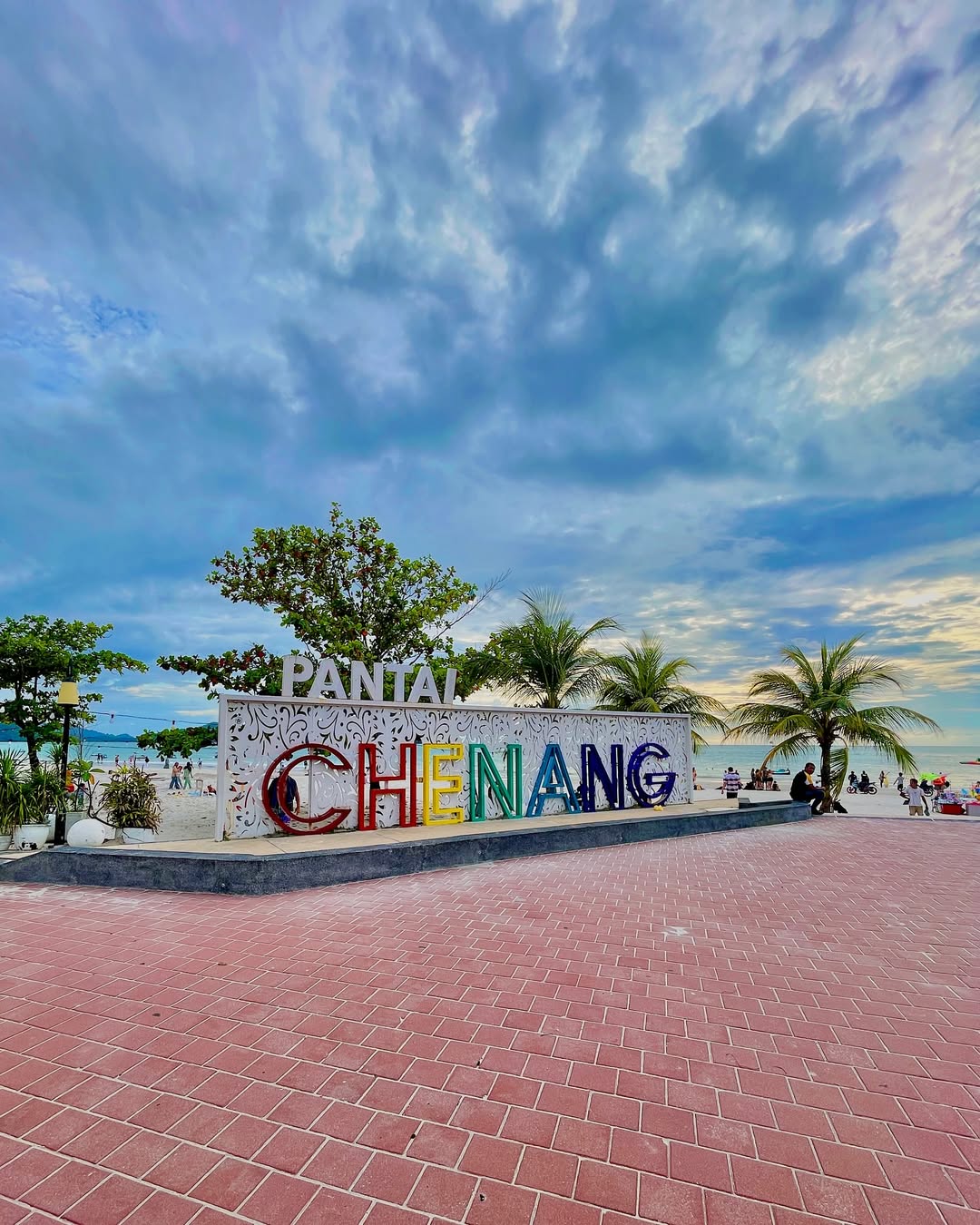
Pantai Cenang sits on the southwest coast of Langkawi Island in Kedah, Malaysia, serving as the island's main tourist hub with a two-mile stretch of white sand beach. The area transformed from a quiet fishing village into a vibrant beachfront destination, combining natural beauty with modern amenities.
1. Location and Accessibility
Pantai Cenang Beach is incredibly easy to reach from Langkawi International Airport, which is only 6 kilometers away. The drive takes about 10 minutes along Jalan Pantai Cenang.
From Kuah Town, the island's main ferry terminal and commercial center, I reached Pantai Cenang in roughly 20 minutes by car or taxi. Grab services and rental cars operate throughout Langkawi Island.
Transportation Options:
Taxi from airport: RM 20-30
Rental car: RM 80-150 per day
Minivan shuttles from hotels
Limited public bus service
Traveling from mainland Malaysia, I take a ferry from Kuala Perlis, Kuala Kedah, or Penang to Kuah Town first. The ferry ride takes 60-90 minutes, depending on the departure point.
2. History and Atmosphere
Pantai Cenang, Langkawi, evolved from a simple fishing community into the island's most cosmopolitan area. I notice the blend of local culture with international tourism creates a unique character.
The beachfront promenade stretches along the shoreline, lined with coconut palms and offering ocean views. During the day, I see families swimming in the shallow waters and tourists trying water sports. The atmosphere shifts at sunset when the beach bars and restaurants come alive.
Local seafood restaurants mix with international cafes and boutique resorts. I appreciate that the area maintains its Malaysian identity despite the heavy development in tourism.
3. Best Time to Visit
I recommend visiting Pantai Cenang between November and April during the dry season. The sea stays calm, and the skies remain clear during these months.
Monthly Weather Patterns:
November-February: Cool and dry, peak tourist season
March-April: Hot and sunny, ideal beach weather
May-October: Monsoon season with occasional heavy rain
The best time to visit Pantai Cenang is during the dry season, when humidity is lower and rainfall is minimal. I avoid September and October when the southwest monsoon brings the heaviest downpours. Water sports operators sometimes close during rough weather conditions.
Beaches and Natural Beauty
Pantai Cenang's coastline stretches along Langkawi's western shore with warm sand underfoot and calm Andaman Sea waters. The beach itself draws visitors for its accessible swimming conditions and proximity to quieter alternatives like Pantai Tengah and Tanjung Rhu.
1. White Sand and Scenery
The sand at Cenang Beach runs warm and slightly coarse rather than powdery. I noticed it's dotted with small shells and the occasional piece of debris, which gives it a lived-in feel compared to more isolated beaches.
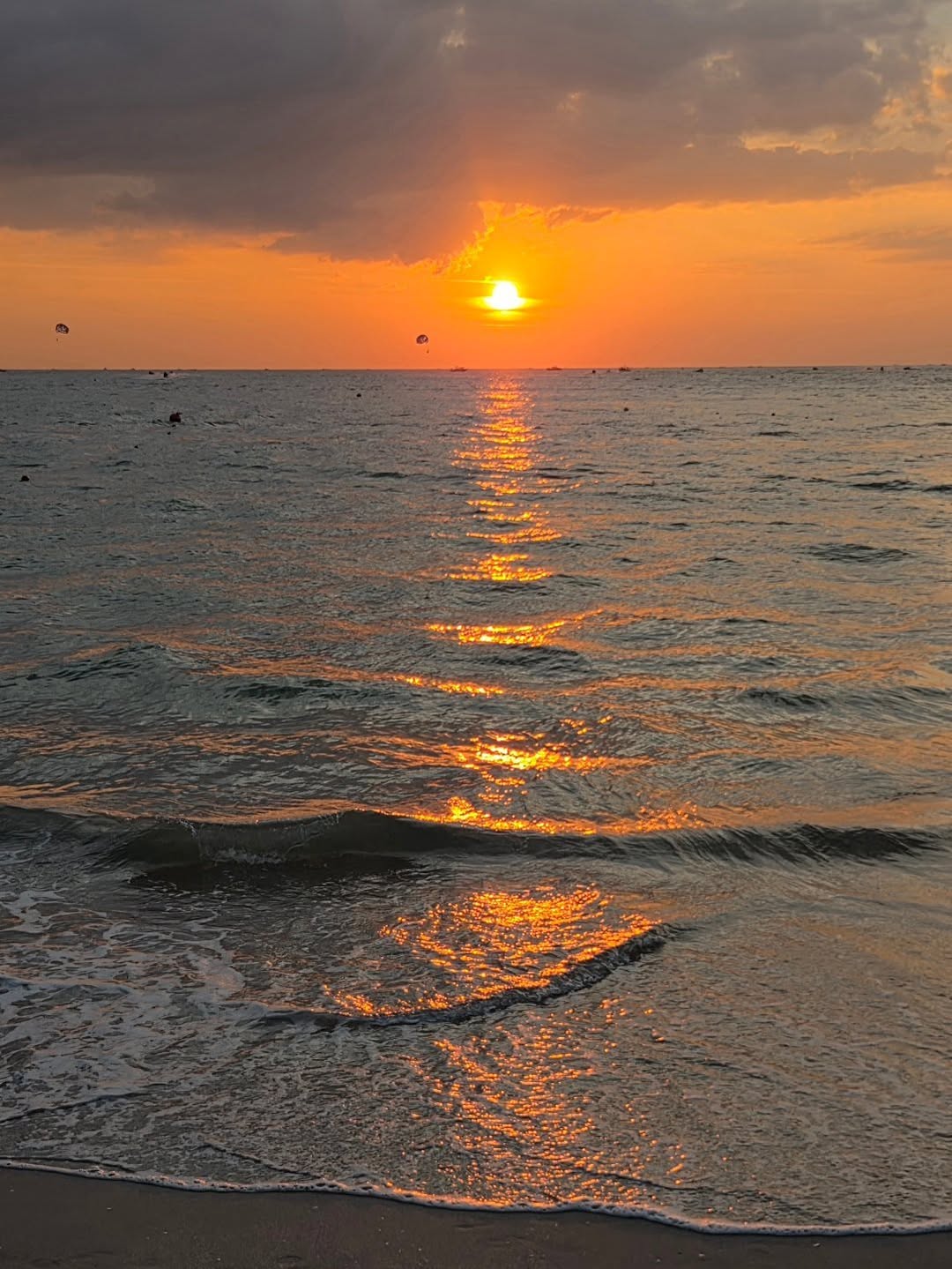
The shoreline spans roughly 2 kilometers and offers unobstructed views toward the western horizon. Small islands sit offshore, creating silhouettes that stand out during golden hour. Locals and travelers gather on the sand each evening to watch the sun drop below the water.
The beach is backed by a strip of guesthouses, restaurants, and shops rather than by an untouched jungle. This setup offers easy access to facilities but lacks the pristine tropical atmosphere found at more remote spots on Langkawi.
2. Swimming and Sunbathing
The water stays calm most of the year with gentle waves and shallow entry points. I found the seabed mostly sandy with occasional coral patches visible at low tide.
Swimming conditions work well for beginners. The beach slopes gradually, letting you wade out a fair distance before the water reaches chest height. Temperatures hover around 28-30°C year-round.
For sunbathing, the beach offers plenty of space to spread out. Temperatures during midday reach 30-32°C, so shade breaks become necessary. I recommend applying sunscreen regularly and seeking cover under nearby trees or restaurant awnings during peak hours around noon.
Jetskis and parasailing operators work directly off the sand, which adds noise and activity to the swimming area. If you prefer quieter conditions, early mornings before 9 AM or late afternoons after 4 PM see less watercraft traffic.
3. Nearby Beaches: Pantai Tengah and Tanjung Rhu
Pantai Tengah sits just 2 kilometers south of Cenang Beach and offers a noticeably quieter atmosphere. The sand quality feels similar, but fewer vendors and water sports operators mean more space for uninterrupted sunbathing.
Tanjung Rhu occupies Langkawi's northern tip, roughly 20 kilometers from Cenang. This beach delivers finer white sand and clearer water with views of limestone karst formations rising from the sea. The trade-off comes in accessibility—you'll need transportation to reach it, and there are fewer food options nearby.
I found Pantai Tengah works well as a quick escape when Cenang feels too crowded, especially during peak season from December through February. Tanjung Rhu requires more planning but rewards visitors with better swimming conditions and less development along the shore.
Things to Do in Pantai Cenang
Pantai Cenang offers activities ranging from thrilling water adventures like jet skiing and parasailing to peaceful spa treatments and evening beach strolls. The two-kilometer stretch of white sand provides the perfect setting for both adrenaline seekers and those looking to unwind.
1. Water Sports and Adventure
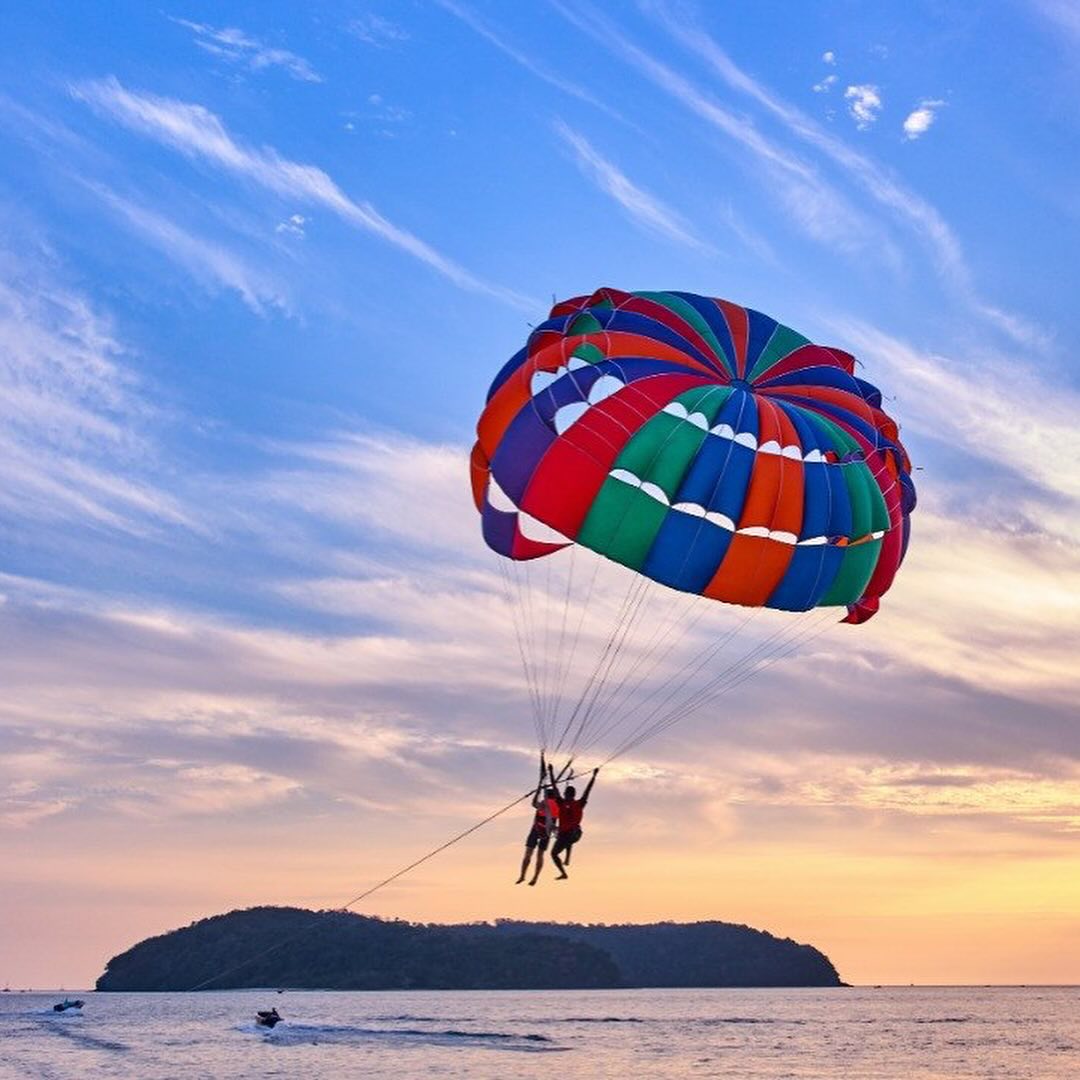
I recommend trying parasailing at Pantai Cenang for breathtaking views of the coastline. Packages typically cost around RM200 for two people and often include video recording. Weather conditions can affect availability, so I suggest booking when the skies are clear.
Jet skiing is one of the most popular activities along the beach. Rental shops line the shore, and some riders venture to nearby islands like Pulau Beras Basah. I always advise riders, especially those who are inexperienced, to be cautious, as accidents can result in costly compensation charges.
Other water sports include:
Banana boat rides for groups and families
Kayaking along the calm waters
Snorkeling to observe marine life near the shore
Island hopping tours depart from Pantai Cenang and visit Pulau Dayang Bunting, Pulau Singa Besar, and Pulau Beras Basah. These tours often include eagle feeding demonstrations where majestic birds swoop down to catch fish.
2. Spa and Relaxation Experiences
After a day in the sun, I find that massage and spa services offer the perfect way to recover. Several beachfront resorts and standalone spas provide traditional Malay treatments and aromatherapy sessions.
The spas along the main road offer services ranging from foot massages to full-body treatments. Prices vary depending on the treatment length and type. I've noticed that booking during off-peak hours often provides better availability and sometimes discounted rates.
Many hotels feature in-house spa facilities where guests can enjoy treatments without leaving their accommodation. These typically include Thai massage, hot stone therapy, and facial treatments designed to repair sun-exposed skin.
3. Sunset Viewing and Beach Walks
The sunset views at Pantai Cenang transform the sky into shades of orange, pink, and purple. The silhouettes of neighboring islands create stunning photography opportunities. I prefer arriving about 30 minutes before sunset to find a good spot.
Casual strolling along the beach is a free, refreshing activity at any time of day. The early morning offers peaceful conditions with fewer crowds, while evening walks let me enjoy the cool sea breeze and the sound of waves.
Fire shows take place in the evening and showcase skilled performers handling flames in impressive displays. You can watch from outside viewing areas for free, pay to enter designated sections, or enjoy the performance while dining at nearby restaurants.
Top Attractions and Landmarks
Pantai Cenang offers several standout attractions that showcase marine life, agricultural heritage, and local culture. I found the area's aquarium and rice garden to be educational experiences worth exploring during my visit.
1. Underwater World Langkawi
Underwater World Langkawi stands as one of the largest aquariums in Southeast Asia. The facility houses over 4,000 marine and freshwater species in carefully designed habitats.
I walked through a 15-meter underwater tunnel where sharks, stingrays, and sea turtles swim overhead. The penguin section features a climate-controlled environment that keeps these cold-weather birds comfortable in the tropical heat.
The aquarium is divided into several zones. The tropical rainforest section displays freshwater species, while the temperate zone showcases marine life from cooler waters. I spent time at the touch pools where I could interact with starfish and small rays under staff supervision.
The facility opens daily and takes about two to three hours to explore fully. I recommend visiting during weekday mornings to avoid larger crowds.
2. Laman Padi Langkawi (Rice Garden)
Laman Padi Langkawi gives visitors insight into Malaysia's rice cultivation traditions. The eight-acre site features working rice paddies, traditional farming equipment, and educational exhibits about rice production.
I watched demonstrations of traditional planting and harvesting methods. The garden includes several varieties of rice at different growth stages. A museum building displays historical tools and explains the cultural significance of rice in Malaysian society.
The herb garden section grows medicinal and cooking plants used in local cuisine. I found the gift shop sells rice-based products and locally made crafts. Buffalo roam the grounds, representing the animals historically used in rice farming.
Entry fees are minimal, and the garden offers a quiet contrast to the nearby beach activities.
3. Cultural Experiences and Local Sights
The strip along Pantai Cenang beach features duty-free shops selling chocolates, liquor, and perfumes. Local cafes serve Malaysian dishes throughout the day.
I noticed several spas and massage centers offering foot massages and traditional treatments. The beachfront provides access to water sports operators who rent jet skis and organize island tours. Small markets sell handmade souvenirs and local snacks.
The area stays active into the evening with restaurants and bars open late. I could easily walk most places since attractions cluster in a short distance from each other.
Where to Stay in Pantai Cenang
Pantai Cenang offers accommodations ranging from luxury beachfront properties to affordable guesthouses, with most hotels clustered along the two-kilometer beach strip. I've found that budget guesthouses start around 80-150 ringgit per night, while upscale resorts provide direct beach access and premium amenities.
These properties put you steps away from the water for morning swims and sunset views. I recommend booking beachfront rooms during the high season from December to February, though prices increase to around 17,896 rupees per night during peak periods.
White Lodge Chatel and AB Motel offer more affordable beachside options without sacrificing location. Both properties receive strong reviews from families and couples looking for beach access at lower rates.
I've noticed that low season rates from March to May drop to around 8,375 rupees, making it easier to afford nicer properties. Salsa Resort Langkawi offers good value with pool access and proximity to restaurants.
3. Accommodation Tips
I suggest staying along the main beach road for easy access to cafes, restaurants, shops, and Cenang Mall. Properties near the beach typically cost more but eliminate transportation needs for beach activities.
Book at least two months ahead during December through February when demand peaks. Compare waterfront hotel options based on your priorities like pools, breakfast inclusion, or water sports access.
I recommend checking if your hotel provides beach chairs and umbr,ellas, as these add value to beachfront stays. Many properties include airport transfers, which saves money since Langkawi Airport sits just a short drive away.
Dining and Nightlife
Pantai Cenang offers a solid mix of dining options, from fresh seafood restaurants to casual beach bars. The food scene here covers local Malaysian dishes, international menus, and late-night spots where you can grab drinks by the water.
1. Best Seafood & Local Food
I found that Orkid Ria Seafood is one of the most popular spots for grilled prawns and fresh fish in the area. The restaurant serves large portions at reasonable prices, and I recommend arriving early during peak season to avoid waiting.
For local Malaysian food, I suggest trying nasi lemak at the morning warungs or laksa from beachside vendors. Many restaurants also serve satay with peanut sauce as a starter. The local dishes here taste authentic and fresh.
Cactus Restaurant mixes Western and Malaysian menus if you want variety. I noticed that most seafood places let you pick your fish or prawns by weight before they grill it. This gives you control over portion size and cost.
2. Street Food and Warungs
The Cenang night market operates on specific evenings and offers cheap local snacks like grilled corn, roti canai, and coconut water. I found the prices much lower than restaurant menus.
Small warungs along the main road serve quick meals throughout the day. These spots are simple but reliable for nasi lemak, mee goreng, and fried rice. Most warungs don't take cards, so I kept small cash on hand.
Street vendors set up near the beach in the afternoon selling fresh fruit and snacks. Thethose on quality varies, but the coconuts are usually cold and refreshing after spending time in the sun.
3. Cafés and Beach Bars
Yellow Beach Café sits right on the sand and works well for sunset drinks and beachfront dining. The colorful setup and relaxed atmosphere make it a popular evening spot. I saw live acoustic music on some nights.
Smiling Buffalo Café serves decent coffee and brunch options in a quieter location. Kalut Café & Bar hosts occasional fire shows and plays reggae music most evenings.
The nightlife stays laid-back compared to other beach destinations. I didn't see wild beach parties, but the string lights and music create a comfortable vibe for drinks after dinner. Most bars stay open until around midnight.
Shopping and Markets
Pantai Cenang offers duty-free shopping at malls and local markets where I can find chocolates, liquor, and Malaysian crafts. The night markets provide an authentic experience with souvenirs and street food at budget-friendly prices.
1. Cenang Mall and Duty-Free Shopping
Cenang Mall is a convenient two-floor shopping complex with a pharmacy, supermarket, and local retail outlets. The mall provides air-conditioned comfort while I browse through various stores.
Throughout the beach strip, I noticed numerous small general stores selling duty-free chocolates, branded liquors, and perfumes. These shops allow me to purchase international brands at lower prices compared to mainland Malaysia.
Zon Shopping Paradise is another option to explore for duty-free goods. The prices are generally fixed at these establishments, so I shouldn't expect much room for bargaining on most items.
The shopping scene also includes batik shops where I find locally-made shirts, scarves, and wraps in various colors and styles. While the selection is beautiful, I prepared for higher prices around 499 RM for quality pieces with no negotiation.
2. Night Markets and Souvenirs
The Pantai Cenang Night Market operates every Thursday and Sunday evening. I shop for souvenirs, clothing, and local snacks at affordable prices during these market nights.
Temonyong Night Market offers me another venue to experience local shopping culture. These markets give me direct access to Malaysian vendors selling handmade crafts and traditional items.
At the night markets, I'll find:
Handcrafted souvenirs and local artwork
Traditional Malaysian clothing and accessories
Street food and local snacks
Inexpensive trinkets and gifts
The atmosphere at these markets is lively and authentic. I can practice my bargaining skills here, unlike at the fixed-price duty-free shops.
Getting Around and Practical Tips
Pantai Cenang is only about 10 minutes from Langkawi Airport by car, making it easy to reach and navigate. Transportation options range from taxis to rental vehicles, while a few simple tips can help you make the most of your visit.
1. Transportation Options
Taxis are readily available from Langkawi Airport and throughout the beach area. They use a coupon system with fixed rates, which means you pay at the airport counter before getting in the taxi.
A private transfer gives you more flexibility and comfort, especially if you're traveling with family or have extra luggage. Many hotels can arrange this service for you ahead of time.
Rental cars and scooters are popular choices for exploring at your own pace. The main road, Jalan Pantai Cenang, runs along the beach and connects to other parts of the island. Scooters cost around 40-50 ringgit per day, while cars start at about 100 ringgit daily.
Grab (similar to Uber) operates in Langkawi and often costs less than traditional taxis. I recommend downloading the app before your trip.
Walking works well if you're staying near the beach. Most restaurants, shops, and attractions along the main strip are within easy walking distance of each other.
2. Travel Tips for Visitors
Best time to visit is between November and March when the weather is dry and sunny. The monsoon season runs from May to October, bringing heavy rain and rough seas.
I suggest bringing cash since smaller shops and food stalls may not accept cards. ATMs are available along Jalan Pantai Cenang.
Dress modestly when leaving the beach area out of respect for local customs. Swimwear is fine at the beach, but cover up when entering restaurants or shops.
The beach gets crowded on weekends and Malaysian public holidays. If you prefer a quieter experience, visit on weekdays.
Water sports and activities like go-karting are popular here. Book these activities in the morning to avoid the afternoon heat, which can reach 35 degrees Celsius.
Negotiate prices for water sports and tours before you start. Many operators offer package deals that include multiple activities at a lower rate.
Frequently Asked Questions
Pantai Cenang draws visitors with its 2-kilometer white sand beach, water sports activities, and nearby attractions like Underwater World Langkawi. The area offers multiple transport options, duty-free shopping venues, and dining that ranges from local street food to beachfront restaurants.
1. What are the top attractions to visit in Pantai Cenang?
I recommend starting with Underwater World Langkawi, which displays over 500 marine species including sharks, rays, and turtles. The facility features a Sub-Antarctic section with penguins and an underwater tunnel where you can walk surrounded by sea life.
Laman Padi Langkawi offers a different experience on its 14-acre site. The complex includes working paddy fields, a herb garden, and a museum with traditional farming tools. I can plant rice saplings during my visit or explore the floating rice garden.
The Temoyong Night Market operates every Thursday from 6 PM to 11 PM in Kampung Lubok Buaya. I bought clothes, accessories, bags, and street food like fried bananas and fish crackers at reasonable prices.
2. Can you recommend some accommodation options near the beach?
There are properties right along the shoreline that offer direct beach access. Other accommodations sit slightly inland but still maintain close proximity to the main beach area and tourist facilities.
The Bayou Hotel sits near Pantai Cenang but away from the busiest sections. It's surrounded by greenery while remaining convenient to beach activities and dining options.
3. What are the best dining experiences available in Pantai Cenang?
I'll find local street food stalls serving traditional Malaysian dishes like nasi lemak and satay throughout the area. Upscale seafood restaurants line the beachfront and serve fresh catches with ocean views.
Yellow Cafe operates daily from 5 PM to 1 AM except Tuesdays. The venue offers a vibrant atmosphere and serves as a popular sunset viewing spot with drinks and meals available.
Hidden Langkawi Restaurant opens from noon to midnight every day. This location provides a more peaceful setting for watching the sunset while enjoying food and beverages.
Western cuisine appears on many menus, with restaurants serving Italian and American food. Some establishments blend Western and Asian flavors to create fusion dishes.
4. How does one get around the area of Pantai Cenang easily?
Pantai Cenang sits just 10 to 15 minutes from Langkawi International Airport. I can drive and find street parking along the western side of Jalan Pantai Cenang or use small public car parks near Cenang Mall.
Taxis provide convenient transport from anywhere in the area. I can also use Grab, an e-hailing service, by booking through the app for pickups near the central square or along the main road.
Free parking for scooters and motorbikes is available along Jalan Pantai Cenang opposite Cenang Mall. Many hotels let me walk directly to the beach since the area is compact.
5. What are the shopping opportunities in Pantai Cenang?
Cenang Mall operates in the heart of the area with air-conditioned comfort. I'll find fashion boutiques, souvenir shops, and eateries inside the mall.
The Zon Duty Free offers discounted premium brands including chocolates, liquor, and cosmetics. Street vendors line the main roads selling local crafts and trendy apparel.
The Temoyong Night Market runs every Thursday evening from 6 PM to 11 PM. I can browse stalls selling traditional clothes, accessories, handcrafted goods, and sample various street foods at lower prices than tourist-focused shops.
6. What is the best time of year to visit Pantai Cenang for good weather?
Avoid the peak tourist seasons from December to February and during school holidays if you want fewer crowds. Visiting during off-peak times means more affordable accommodation and a relaxed atmosphere.
The area experiences its busiest periods when families travel during breaks. Planning my trip outside these windows gives me better access to activities and restaurants without long waits.
Weather patterns in Langkawi generally provide warm tropical conditions year-round. You need to consider that monsoon season can affect beach activities, so checking specific month forecasts helps with planning.