Tanjung Rhu Travel Guide: Explore Langkawi’s Secluded Gem
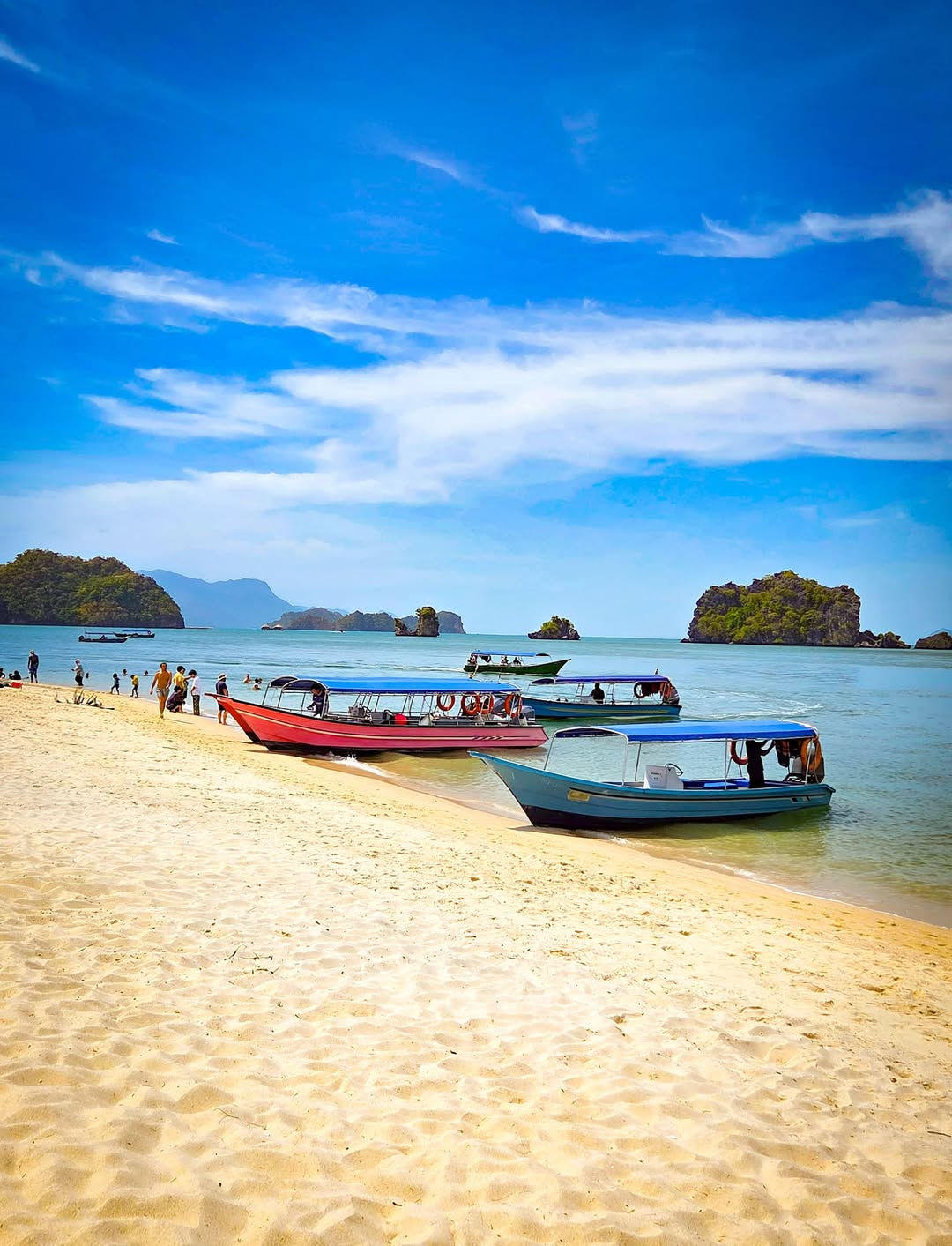
Tanjung Rhu sits on the northern tip of Langkawi and offers something different from the island's busier beaches. The water is calm and clear, the sand is soft and white, and limestone cliffs rise up in the distance. I've found that this area gives visitors a quieter beach experience while still being easy to reach.
Tanjung Rhu is located in the far north of Langkawi and features pristine beaches, mangrove forests, and stunning karst formations, making it one of the island's most beautiful coastal areas. Getting there takes about 30 minutes from the main tourist areas, and you can drive yourself or take a taxi. The beach has good facilities, including parking, food stalls, and tour operators.
I'll walk you through everything you need to know about visiting Tanjung Rhu. You'll learn how to get there, what to expect when you arrive, where to eat and stay, and what activities are available in the area.
The beach is accessible by rental vehicle or taxi and offers parking, food options, and nearby mangrove tours
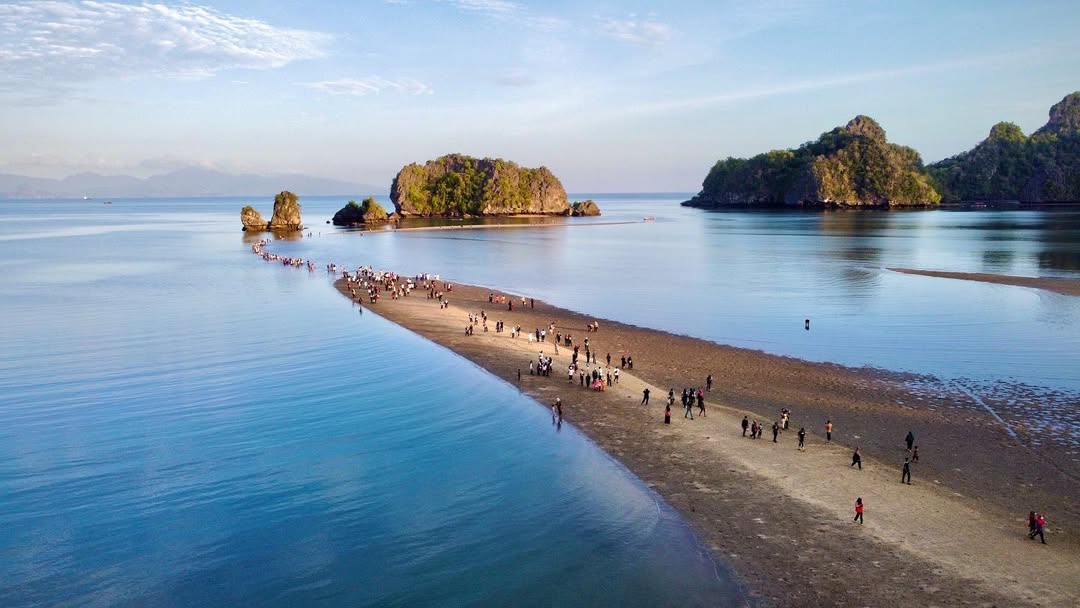
Visitors can enjoy swimming, beach walks, water sports, and exploring nearby islands during low tide
Overview of Tanjung Rhu
Tanjung Rhu sits on Langkawi's northern coast, offering a peaceful alternative to the island's busier beaches. The area combines natural beauty with easy access to luxury resorts and cultural attractions.
1. Geographical Location
Tanjung Rhu is located on the northern tip of Langkawi Island, approximately 30 kilometers from Kuah town. The beach faces the Andaman Sea and features distinctive limestone cliffs that rise dramatically from the shoreline.
I find the location particularly convenient for visitors who want to explore both beach and inland attractions. The area sits close to the Kilim Geoforest Park, where mangrove forests create unique ecosystems. You can reach Tanjung Rhu by car or taxi in about 30-40 minutes from the main tourist areas.
The beach stretches along a curved bay with shallow waters that stay calm most of the year. Natural limestone formations frame both ends of the beach, creating protected swimming areas. These rock formations are part of the same geological system that created Langkawi's famous caves and grottoes.
2. Cultural Significance
The name "Tanjung Rhu" translates to "Casuarina Cape" in Malay, named after the casuarina trees that once lined the shore. Local fishermen have used this bay for generations as a safe harbor during storms.
I've learned that the area maintains strong connections to traditional Malay fishing communities. Small fishing boats still operate from nearby villages, and you can see them heading out to sea in the early morning. The limestone cliffs also hold cultural importance, featuring in local folklore and stories passed down through generations.
The beach area has transitioned from a quiet fishing spot to a destination that balances luxury tourism with environmental protection. Local authorities have implemented regulations to preserve the natural landscape while allowing limited development of high-end resorts.
3. Comparison with Other Langkawi Beaches
Tanjung Rhu differs significantly from other beaches in Langkawi in terms of crowds and atmosphere. While Pantai Cenang attracts large numbers of tourists with its restaurants and water sports, Tanjung Rhu remains relatively untouched and peaceful.
Key Differences:
Feature
Tanjung Rhu
Pantai Cenang
Pantai Tengah
Crowd Level
Low
High
Medium
Water Clarity
Excellent
Good
Good
Dining Options
Limited
Many
Moderate
Accommodation
Luxury resorts
Budget to mid-range
Mid-range
The sand quality at Tanjung Rhu surpasses that of most other beaches in Langkawi. I notice that the powder-fine texture feels softer underfoot than the coarser sand at Pantai Cenang. The water remains clearer here due to less boat traffic and fewer swimmers stirring up sediment.
Tanjung Rhu also offers better views of limestone formations than southern beaches. The dramatic cliffs create a more striking backdrop for photography compared to the flatter coastlines elsewhere on the island.
How to Get to Tanjung Rhu
Tanjung Rhu sits in the far north of Langkawi, about 30 minutes from the main tourist areas. There's no public transportation on the island, so you'll need to rent your own vehicle or use a taxi service to reach this secluded beach.
1. By Car or Scooter
I recommend renting a scooter or car to visit Tanjung Rhu because it gives you the freedom to explore at your own pace. The roads leading to the beach are well-maintained and easy to navigate.
You'll find ample parking near the beach at no cost. In Malaysia, it's safe to leave your vehicle parked while you enjoy the beach and the surrounding areas.
The drive takes about 30 minutes from Pantai Cenang or Tengah. Just follow Jalan Tanjung Rhu road, then take the coastal road that leads directly to the beach area. I've never had trouble finding the spot since there are clear signs along the way.
2. Taxi and Ride-Hailing Options
Grab taxi service is available for getting to Tanjung Rhu, though rides can take time to arrange in this remote area. From Pantai Cenang, expect to pay between 30 and 50 RM for the journey.
The main challenge with taxis is getting a ride back to your accommodation. Since Tanjung Rhu is secluded, you might wait a while for a driver to accept your request. I suggest booking your return ride before you finish at the beach to avoid long wait times.
Traditional taxi services also operate from Langkawi Airport and can take you directly to Tanjung Rhu if you're arriving on the island fresh.
3. Access from Cenang, Tengah, and Kuah Town
From Pantai Cenang and Tengah, the route to Tanjung Rhu takes you north along the coast. The 30-minute drive passes through local villages and offers glimpses of island life beyond the tourist zones.
If you're staying in Kuah Town, the journey takes slightly longer at 35-40 minutes. Head northwest from the town center, following signs toward the northern beaches. The route is straightforward with minimal turns.
My advice is to visit during daylight hours, as the roads can be dark at night due to limited street lighting in some areas.
Best Time to Visit
The dry season from November to April offers the most reliable weather for Tanjung Rhu, though specific months within this window provide different advantages depending on your priorities. I've found that understanding both weather patterns and crowd levels helps you pick the exact timing that matches what you want from your trip.
1. Weather and Seasons
Tanjung Rhu experiences two distinct seasons that dramatically affect your beach experience. The dry season runs from November through April, bringing sunny skies and minimal rainfall, making it perfect for water activities and beach relaxation.
Temperatures stay warm year-round, ranging from 28°C to 32°C. I recommend visiting the lowest point of the year.
The monsoon season spans from May to October. During these months, you'll encounter frequent rain showers and rougher seas that can limit beach activities. The weather becomes less predictable, though temperatures remain consistently warm.
2. Peak Tourist Periods
Tourist crowds surge during the dry months between December and April, with December and January seeing the heaviest visitor numbers. Accommodation prices climb during these peak weeks, especially around Christmas and New Year.
Langkawi's International Maritime and Aerospace Exhibition draws large crowds to the island every two years. The beach itself stays relatively peaceful during this event, offering a quiet escape while the rest of Langkawi buzzes with activity.
February and March offer a sweet spot with excellent weather but slightly fewer tourists than the December-January rush. You'll find better accommodation rates and more space on the beach during these shoulder months.
3. Tips for Planning Your Visit
I suggest booking accommodations at least two to three months ahead if you're traveling between December and February. Prices drop by 20-30% during the late dry season in March and April.
Check tide schedules before your visit if you want to walk across the famous sandbar to nearby islands. This natural phenomenon appears only during extremely low tides.
Pack light, breathable clothing, regardless of the time of year. Even during the dry season, occasional brief showers can occur, so I always bring a light rain jacket just in case.
Tanjung Rhu Beach Experience
The beach delivers a striking combination of white sand, limestone formations, and calm waters that few other spots on Langkawi can match. Free access to most of the shoreline makes it accessible to all visitors seeking natural beauty without entrance fees.
1. Public Beach Area
The public section of Tanjung Rhu is completely free to visit and stretches along a significant portion of the coastline. I found plenty of space to lay out my towel since the beach doesn't attract heavy crowds like the southern resort areas.
There are limited facilities at this peaceful beach, so I recommend bringing your own towels and supplies. A few snack stalls and a coffee shop operate near the main beach area. You can rent sun loungers, but availability is limited due to the location's undeveloped nature.
The sand bar appears during low tide and extends roughly 150 meters toward nearby islands. Walking across shallow water to reach small offshore islands adds an adventurous element to a typical beach day.
2. Scenic Highlights
Large limestone cliffs and rock formations rise just offshore, creating a distinctive backdrop. I could see several small islands within 100 to 150 meters of the shoreline, which are reachable by kayak rental for about 50 RM.
The karst structures and mangrove surroundings frame the beach in natural beauty. Ko Tarutao island in Thailand is visible in the distance on clear days. The shoreline curves gently, offering different vantage points for photography throughout the day.
Wildlife regularly appears near the beach, including monitor lizards, monkeys, tropical birds, and eagles. The jungle terrain behind the sand provides habitat for these animals.
3. Peaceful Ambience
The remote northeast location keeps visitor numbers low compared to Pantai Cenang or other developed beaches. I experienced a quiet atmosphere with minimal noise from other tourists or commercial activity.
The shallow, calm water makes swimming relaxed rather than challenging. Waves remain gentle most days, which suits families and those wanting to wade without strong currents.
The 50-meter-wide beach provides ample space for spreading out without feeling crowded. I appreciated the lack of aggressive vendors and the slower pace that defines this area of Langkawi.
Dining and Accommodation
Tanjung Rhu offers a limited but high-quality selection of places to stay and eat, with most options centered around the main resort property. The area caters primarily to travelers seeking upscale beachfront experiences in a remote setting.
1. Tanjung Rhu Resort Experience
The Tanjung Rhu Resort serves as the main accommodation option in this quiet area of Langkawi. This 5-star property has over 130 rooms and sits between a beautiful beach and the surrounding rainforest.
I found that the resort offers various suite options with beachfront access. Each room comes with services designed to meet guests' needs throughout their stay.
The property includes multiple facilities for guests. You can kayak through calm waters near the resort or relax along the private beach area. The remote location means you'll need to plan transportation if you want to explore other parts of Langkawi.
All-inclusive packages are available and typically include meals, drinks, activities, and airport transfers. This makes budgeting easier since most expenses are covered upfront.
Tanjung Rhu Resort houses three waterfront restaurants on its property. Kelapa Grill stands out as one of the resort's main dining venues.
The resort's dining options range from pizza lunches to shoreline barbecue dinners. I noticed that food and beverages are available at certain venues from 5 pm to 12 am.
The private beach BBQ dinner experience offers a 3-hour al fresco meal. The menu includes grilled dishes, bread, and cream soup, seafood pasta, Caesar salad, and two glasses of house wine.
Since Tanjung Rhu is in a remote part of Langkawi, restaurant options outside the resort are extremely limited. Most guests eat at the resort's dining venues during their stay.
3. Alternative Stays in the Area
Beyond Tanjung Rhu Resort, I found a few other all-inclusive hotels in the area. The Danna Langkawi, Four Seasons Resort Langkawi, and The Datai Langkawi all offer comprehensive packages.
These properties provide various amenities and services in their all-inclusive rates. Each hotel has its own approach to meals, activities, and guest services.
The accommodation options range from high-end resorts with private beach access to boutique hotels with scenic views. Different properties cater to different preferences and budgets within the luxury category.
Top Things to Do
Tanjung Rhu offers a peaceful escape with activities centered around its natural beauty. I found the calm waters perfect for swimming, while boat trips reveal hidden mangrove forests and ancient limestone caves.
The shallow, clear waters at Tanjung Rhu make swimming safe and enjoyable for all skill levels. I noticed the beach stays calm most of the year because it faces away from strong currents.
The soft white sand stretches for about 50 meters, giving plenty of space to lay out a towel. The water stays warm year-round, usually between 27 and 30 °C.
I recommend visiting early in the morning or late in the afternoon to avoid the midday heat. The beach has natural shade from casuarina trees along the shoreline. Weekdays tend to be quieter than weekends, which makes for a more relaxing experience.
2. Boating and Jetty Activities
The jetty at Tanjung Rhu serves as the starting point for most water activities. I watched longtail boats depart regularly for island-hopping trips to nearby spots.
Jet skiing is available through local operators near the beach. The calm conditions make it easier for beginners to get comfortable on the water.
I found snorkeling trips leave from the jetty to nearby coral areas. The marine life includes colorful fish, sea stars, and occasionally small reef sharks. Most tours provide equipment and guide you to the best spots for viewing underwater wildlife.
Private boat rentals let you explore at your own pace. Prices vary based on trip length and group size.
3. Mangrove Tours
Mangrove tours from Tanjung Rhu take you through the unique ecosystem of Kilim Geoforest Park. I learned that Kilim Geopark protects over 100 square kilometers of mangrove forests and limestone formations.
The tours typically last 2-4 hours and follow waterways through dense mangrove forests. I saw monkeys, eagles, and monitor lizards during my trip. The guides explain how the mangrove roots filter saltwater and provide habitat for fish and crabs.
Most tours stop at fish farms where you can feed stingrays and watch local fishing methods. Bat caves are another common stop where thousands of fruit bats hang from cave ceilings.
4. Limestone Cave Exploration
The limestone caves near Tanjung Rhu formed over millions of years from ancient coral reefs. I visited Gua Kelawar, also known as the bat cave, which sits within the mangrove area.
Inside the caves, I saw stalactites and stalagmites still forming from mineral deposits. The temperature drops noticeably upon entering, providing relief from the tropical heat.
Some caves require climbing or wading through shallow water. I wore closed-toe shoes with a good grip for better footing on wet rocks. Tours include these cave visits as part of the mangrove boat trips rather than separate activities.
Frequently Asked Questions
Visitors often ask about the beach's main draws, where to eat nearby, family-friendly places to stay, the ideal season to visit, cultural landmarks, and water-based activities available along this northern coastline.
1. What are the top attractions to visit in Tanjung Rhu?
The beach itself is the main attraction, with its clear aquamarine waters and soft white sand. I find that Tanjung Rhu Beach offers powder-fine sand and a stunning natural setting.
The mangrove forests near the beach provide another highlight. I recommend taking a boat tour through the mangroves to see the unique ecosystem up close.
A sandbar appears during low tide, allowing visitors to walk further out into the shallow waters. The limestone karsts visible from the shore add to the scenic backdrop.
2. Where are the best dining options in the Tanjung Rhu area?
The Tanjung Rhu area has fewer dining options than the busier parts of Langkawi. Most visitors eat at their resort restaurants or bring food from other parts of the island.
The Tanjung Rhu Resort and the Four Seasons Resort both have on-site restaurants serving international and local cuisine. These establishments accept non-guests but tend to be pricey.
I suggest packing snacks and drinks if you plan to spend the day at the public beach area. There are no facilities or vendors along the public section of the beach.
For more variety, the nearby towns of Kuah and Pantai Cenang offer numerous restaurants within a 30-40 minute drive. You'll find everything from local Malaysian food to Western options there.
3. Can you recommend some family-friendly accommodations in Tanjung Rhu?
The Tanjung Rhu Resort provides family-friendly rooms and direct beach access. The resort has swimming pools and activities that work well for children of different ages.
The Four Seasons Resort Langkawi at Tanjung Rhu offers luxury family villas with private pools. Their kids' club and family-oriented amenities make it a solid choice for families with young children.
Both resorts offer spacious rooms or villas that comfortably accommodate families. I note that these properties fall in the higher price range.
4. What is the best time of year to visit Tanjung Rhu for favorable weather?
The dry season from December to March offers the best weather conditions. I find these months have less rainfall and calmer seas for swimming.
November through February sees the most tourists due to the pleasant weather. You'll encounter more crowds during this peak season, but enjoy sunny days.
The wet season runs from May to October with frequent afternoon showers. The beach is still accessible during these months, though rain may interrupt your plans.
March and April serve as transition months with decent weather and fewer visitors. I consider this shoulder season a good compromise between weather and crowd levels.
5. Are there any cultural or historical sites to explore in Tanjung Rhu?
Tanjung Rhu itself focuses mainly on natural beauty rather than cultural sites. The area remains relatively undeveloped with limited historical landmarks.
The nearby mangrove forests hold ecological importance but don't feature specific cultural monuments. Local boat operators sometimes share stories about the area's history during tours.
For cultural experiences, I suggest visiting other parts of Langkawi. The Mahsuri Tomb and Museum in Kuah tells the legend of a local princess and showcases traditional Malay culture.
Langkawi's Eagle Square and night markets in Kuah offer glimpses into local life. These sites are within a 40-minute drive from Tanjung Rhu.
6. What are the options for water sports and activities in Tanjung Rhu?
Swimming ranks as the primary water activity due to the calm, shallow waters. The gentle waves make it safe for families with children.
Snorkeling is possible but the area isn't known for exceptional coral reefs. The resorts may arrange snorkeling trips to better locations nearby.
Jet skiing and parasailing are more common at busier beaches like Pantai Cenang. The public section of Tanjung Rhu has no equipment rentals or water sports operators.